Dein Beitrag für eine intakte Bergwelt
Behavior in nature Your contribution to an intact mountain environment


Guidelines for enjoying nature respectfully
🌲 Forest & wild camping
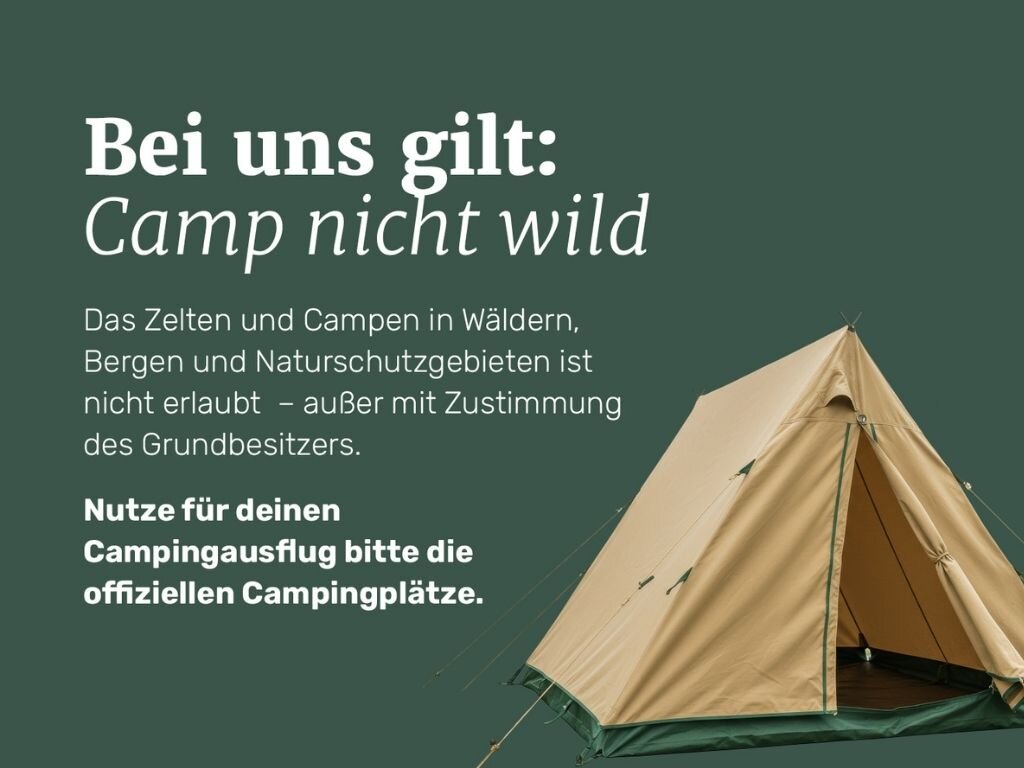
Wild camping in nature or forests is generally prohibited. This activity is only permitted if you have the owner's permission. Otherwise, please use the official campsites.
🏞 Swimming in mountain lakes
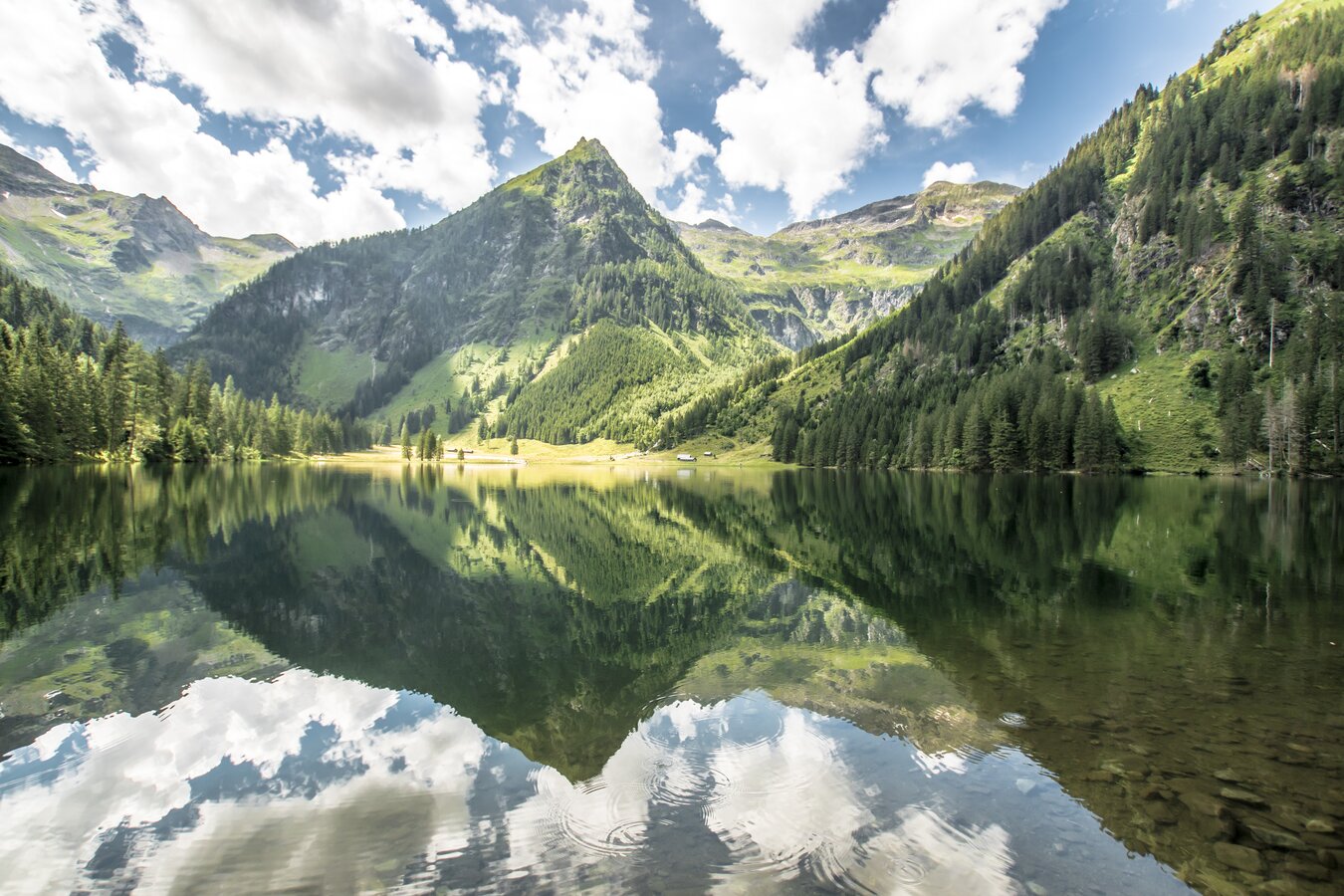
Our mountain lakes are crystal-clear natural treasures - sensitive ecosystems. Please keep your distance from the shore areas, avoid using soap or sunscreen in the water and pay attention to local bathing bans. Enjoying nature requires consideration.
🐶 Holidays witg dogs
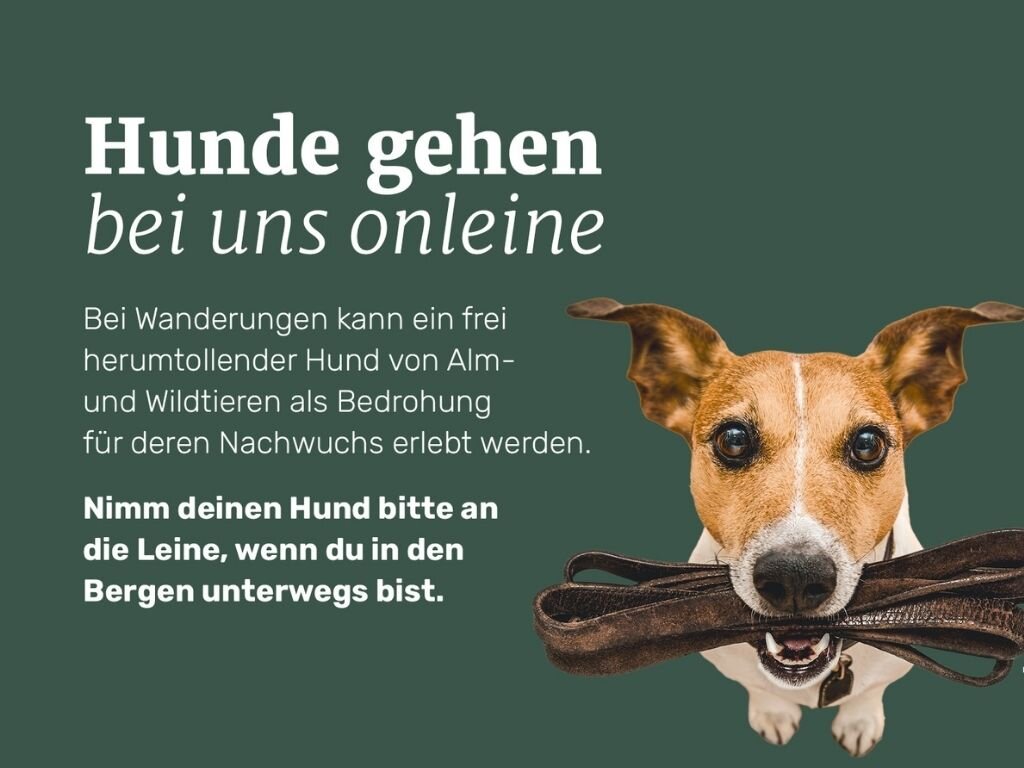
Dogs are very welcome - as long as certain rules are observed: Dogs must be kept on a lead throughout the region - especially on alpine pastures and near grazing livestock. Please use dog waste bags and dispose them in the bins provided.
🐄 Cows
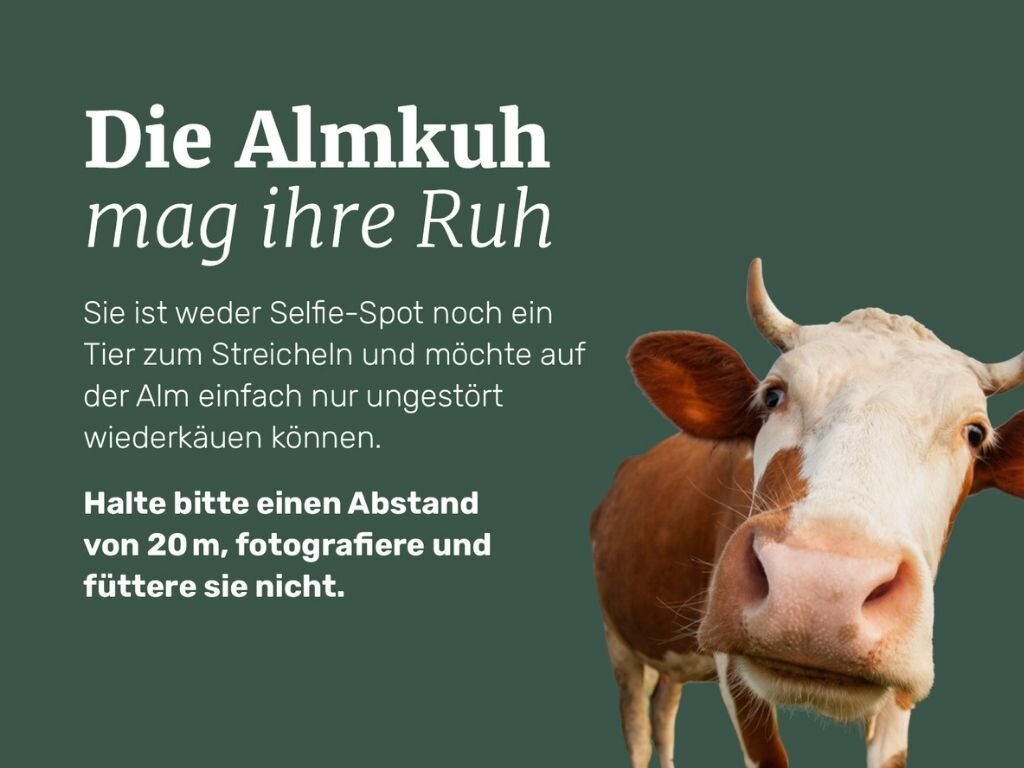
Cows roam the alpine pastures during summer. Please do not feed the animals, do not touch them and always keep a safe distance. In general: keep dogs on a leash and cross pastures calmly and quietly.
🦌 Wild animals
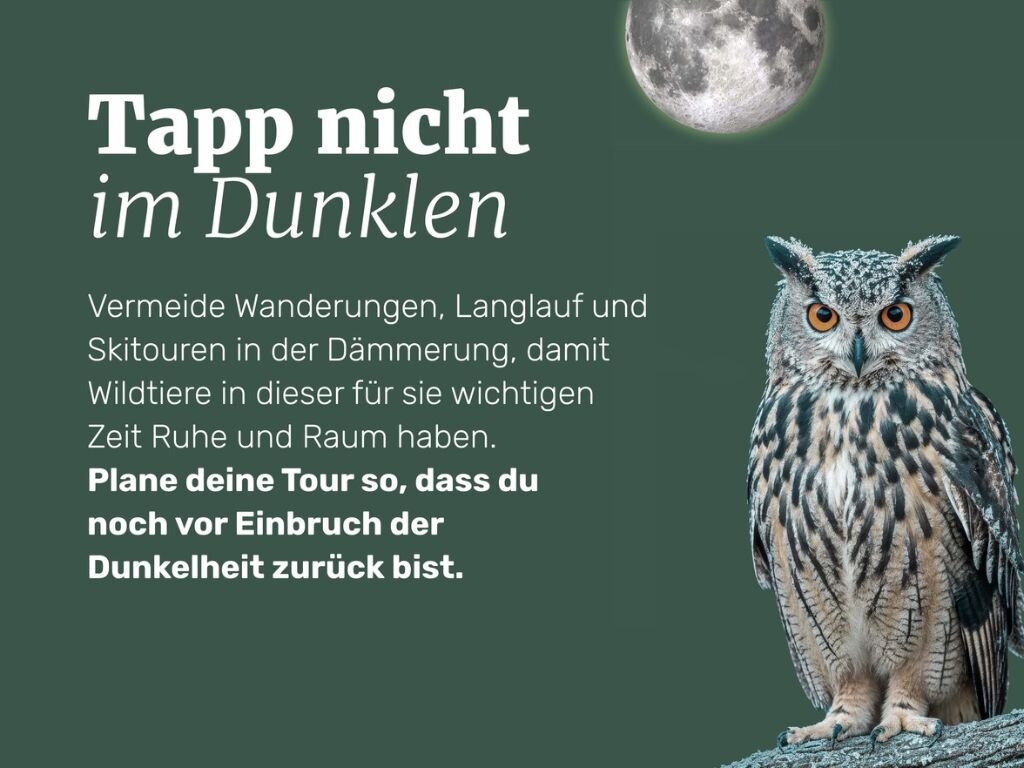
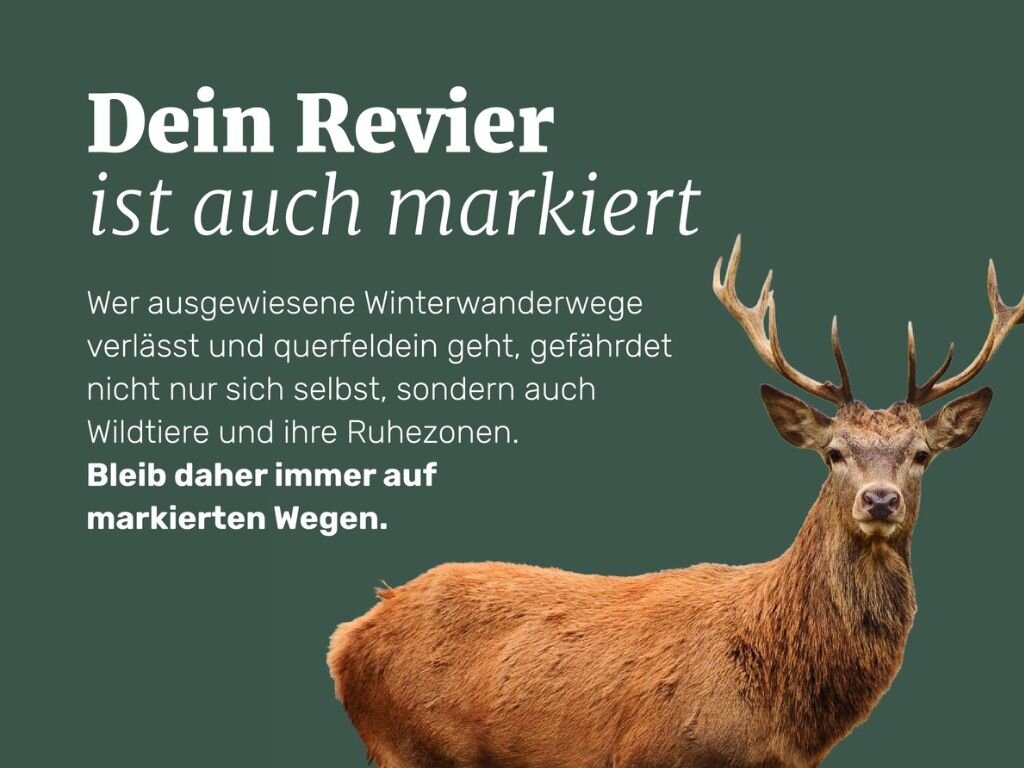
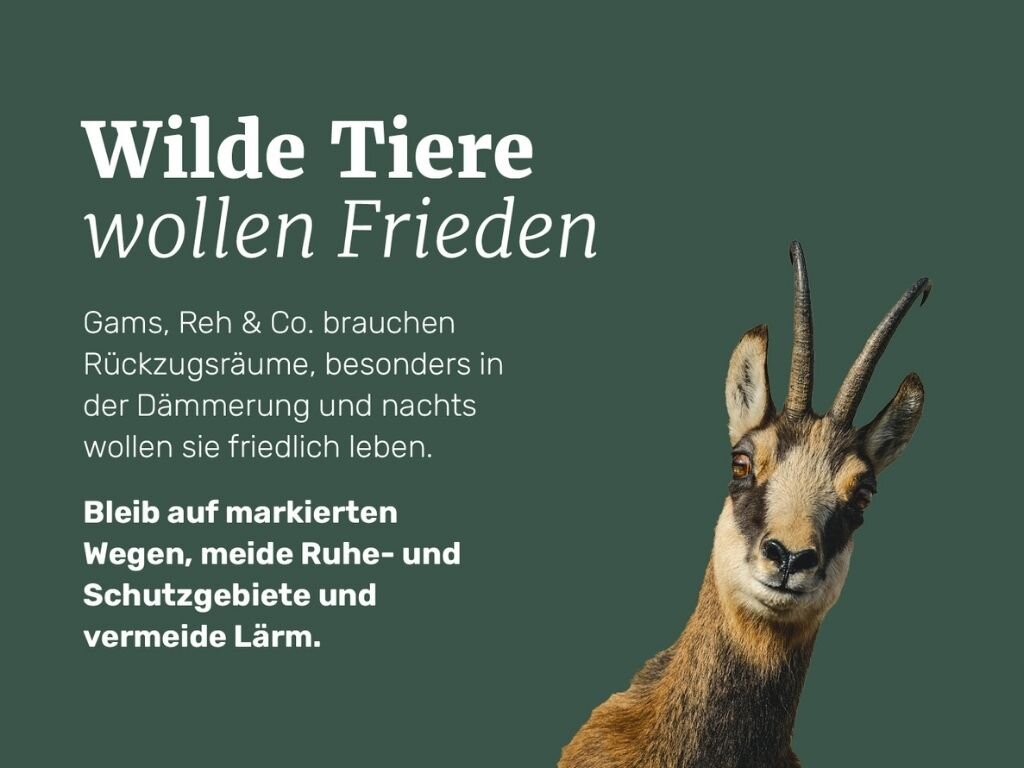
Wild animals need undisturbed areas - especially at dawn and dusk. Stay on the marked paths, avoid resting and protected zones and keep noise to a minimum. Observe animals from a distance to prevent unnecessary stress.
🗑 Rubbish
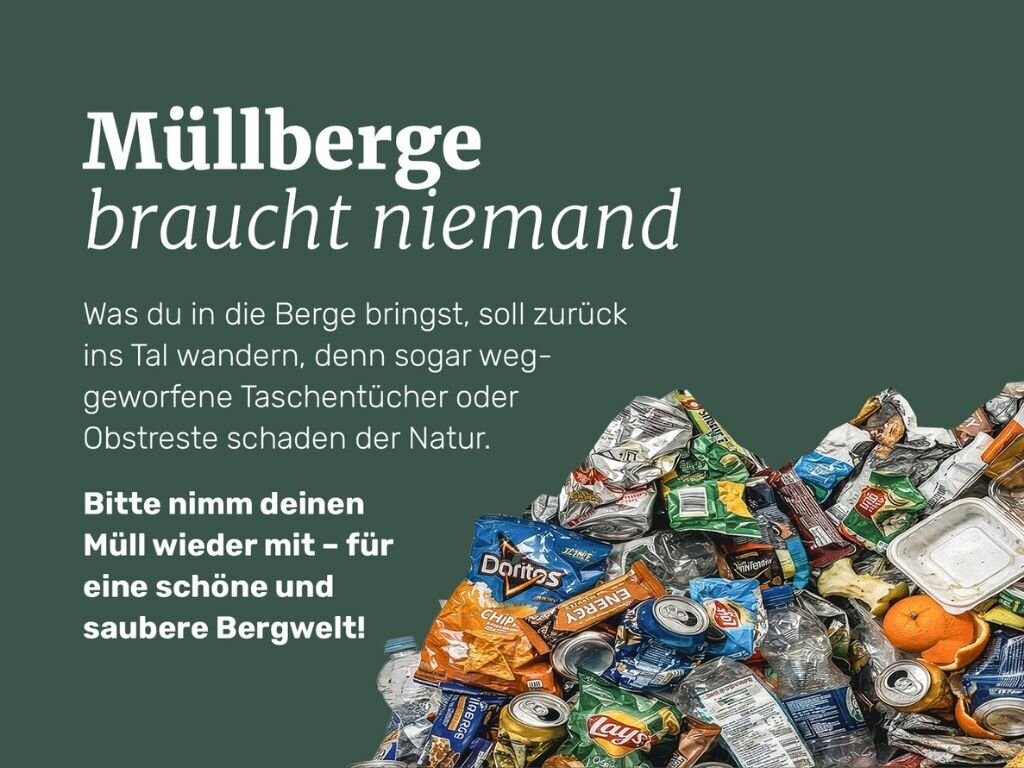
What you bring to the mountains should return with you to the valley. Even seemingly "harmless" items like tissues or fruit peels ecompose very slowly and harm nature. Please take your waste back with you - for a clean and intact mountain environment!


Initiative: Verhalten in der Natur
Mit der Initiative möchten wir für unseren Lebensraum sensibilisieren und das Bewusstsein für einen achtsamen Umgang mit Umwelt und Tierwelt stärken.

Questions and answers
The Schladming-Dachstein region offers a selection of beautiful mountain lakes – some suitable for swimming, others strictly protected.
If you want to swim:
- Check in advance whether the lake is suitable for swimming or is protected.
- Be mindful of nature: be quiet, respect the shore areas, do not use soap or oil, and be careful when entering the water.
- Help preserve the purity of the lakes – for future generations.
Not permitted without the consent of the forest owner:
- Camping after dark
- Tent camping
- Camping with caravans
- Spending the night in a vehicle
Alpine wasteland
- Freely accessible to tourists (above the tree line).
- Exception: agricultural areas such as alpine pastures – no free access there.
Nature reserves
- Camping and bivouacking are prohibited by law in nature reserves such as the Riesach Valley, Seewigtal Valley, or Klafferkessel.
Outside forests and alpine pastures
- The same applies here: camping is only permitted with the consent of the landowner.
When hiking in Schladming-Dachstein, you will often encounter cows. To ensure that everything remains relaxed, please observe the following rules:
- Keep your distance
- Remain calm
- Do not run
- Do not provoke the animals
- Do not stroke the animals
Travelling with a dog?
- Always keep it on a short leash and lead it calmly.
- In case of danger: let go of the dog immediately, never pick it up – this will protect both you and your pet.
Many hiking trails are dog-friendly, but there are exceptions—there may be restrictions, especially in nature reserves or on farmed alpine pastures with grazing livestock.
Dogs are not allowed on the following hikes:
- Alpinsteig Höll to Riesachsee
- End of the Obertal valley from Eschachalm (Duisitzkarsee / Keinprechthütte)
- Gumpental (Moaralmsee)
- Ramsauer Almengebiet (Neustattalm to Bachlalm)
- Sölktal (Trogermühle in Mössna towards Knallalm)
Nimm mi mit Podcast
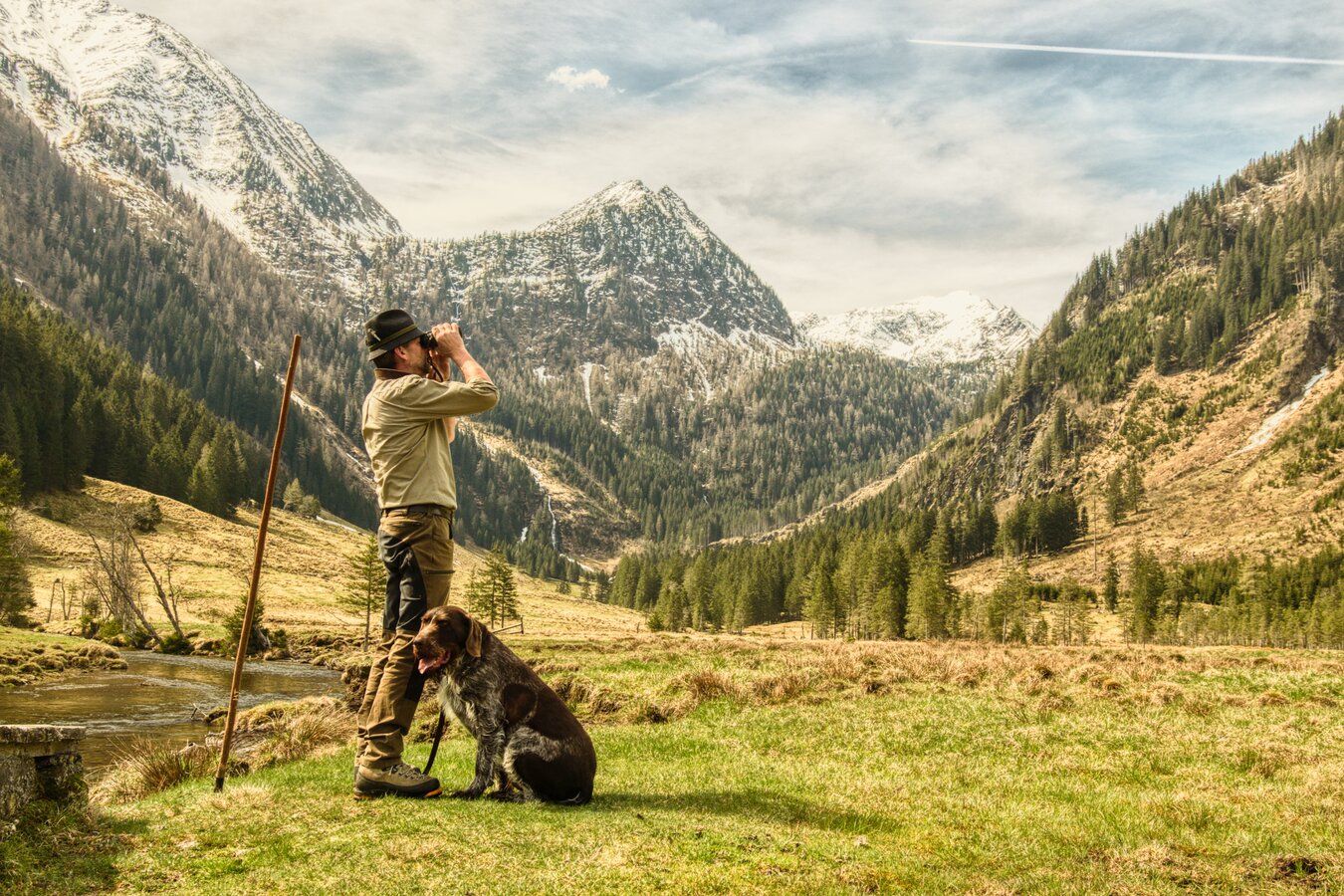
Bezirksjägermeister Hans Trinker & bewusste Waldbesuche
In dieser Podcastfolge spricht Bezirksjägermeister Hans Trinker über die Verantwortung der Jägerschaft, die Bedeutung der Artenvielfalt und den bewussten Umgang mit der Natur. Dabei geht es um Hege und Pflege im Jahresverlauf, die Besucherlenkung im Wald, den Umgang mit Wildtieren und wichtige Verhaltensregeln für Waldbesucher und Hundebesitzer.
Nimm mi mit Podcast
Über die Wichtigkeit von Alpenverein & Bergrettung
In dieser Podcastfolge sprechen Gerald Grabner vom Österreichischen Alpenverein und Georg Maier von der Bergrettung St. Nikolai im Sölktal über die Bedeutung ihrer Arbeit für Bergsport, Tourismus und Naturschutz. Sie geben Einblicke in ihre Aufgaben, Herausforderungen und Erlebnisse am Berg und zeigen, warum ein respektvoller Umgang mit Natur und Bergen so wichtig ist.
Nimm mi mit Podcast
Mag. Paul-Josef Colloredo-Mannsfeld
& der klimafitte Wald
In der Podcastfolge geht es um den Zustand der Wälder im Klimawandel und Maßnahmen aus dem Managementplan der Sölktäler, um den Wald klimafit und widerstandsfähiger zu machen. Forstexperte Mag. Paul-Josef Colloredo-Mannsfeld spricht dabei über Projekte, Konflikte im Wald und wichtige Verhaltensregeln für Besucher.